Build a calorie deficit plan you can monitor, troubleshoot and sustain
The best starting target is not the lowest number you can tolerate for a few days. It is an intake that creates measurable progress while supporting nutrition, daily function and a workable relationship with food. Compare estimates made under similar conditions and use weekly trends; a single number cannot separate water, muscle and fat changes.
Choose a conservative starting point
A daily deficit around 250–500 calories is a common planning range for adults, but smaller bodies may need a smaller reduction. Faster loss is not automatically better, especially when a low target makes adequate nutrition or training recovery difficult.
An alternative is to reduce estimated maintenance calories by about 10%–20%. The percentage method scales with body size, but it still requires adjustment from observed results.
- Favor the smaller deficit if hunger is already high
- Do not subtract both a fixed amount and a percentage
- Include physically demanding work when choosing an activity level
- Plan maintenance periods if continuous dieting becomes difficult
Make the target easier to follow
Build meals around a protein source, high-fiber foods and portions of fats or starches that fit the daily target. Protein and resistance exercise are especially useful for supporting lean tissue during weight loss.
Prelogging a restaurant meal or evening snack can reveal how much remains for the rest of the day. A repeatable breakfast or lunch may reduce decision fatigue without requiring every meal to be identical.
- Use a food scale temporarily to learn energy-dense portions
- Count oils, dressings, alcohol and caloric beverages
- Keep convenient protein and produce available
- Reserve some calories for foods you genuinely enjoy
- Schedule resistance training and routine walking
Recommended Products
Run a structured progress check
At the end of each week, compare average intake, average weight, hunger, energy and training performance. Avoid changing the target based on one high weigh-in or one imperfect tracking day.
After several consistent weeks, continue the plan if progress and wellbeing are acceptable. If the trend is flat, first check portion accuracy and activity assumptions; then make a small adjustment rather than cutting hundreds of additional calories at once.
- Record a weekly average weight
- Note missed entries and meals that were estimated
- Track strength, sleep, energy and persistent hunger
- Change one major variable at a time
- Reassess for another two to four weeks
When progress is faster than intended
Rapid change at the start may partly reflect water loss. If fast loss continues alongside poor recovery, dizziness, severe hunger or declining performance, increase intake and seek individualized guidance. Compare estimates made under similar conditions and use weekly trends; a single number cannot separate water, muscle and fat changes.
When a calculator is not enough
Children and adolescents, pregnant or breastfeeding people, people with a history of eating disorders, and those who are underweight should not use a generic deficit calculator as a stand-alone prescription. A clinician or registered dietitian can account for growth, medical risk and nutrient needs.
Professional review is also appropriate for diabetes treated with medication, kidney or liver disease, unexplained weight change, persistent gastrointestinal symptoms, or medicines that affect appetite or blood sugar.
- Stop and seek prompt help for fainting, chest pain, confusion or severe weakness
- Discuss persistent dizziness, menstrual changes or compulsive restriction with a clinician
- Do not change prescription medication to accelerate weight loss
- Use eating-disorder support rather than calorie tracking if tracking triggers harmful behavior
Supplements for Calorie Deficit Calculator

LivPure
LivPure uses two botanical-and-nutrient complexes: silymarin and betaine emphasize liver health, while green-tea polyphenols and choline support everyday nutrient processing. The blend emphasizes a healthy liver environment for processing fats and nutrients, with green-tea polyphenols contributing additional plant antioxidants. For people assessing a calorie deficit estimate, silymarin and betaine provide liver-focused nutritional support while food intake and body measurements are tracked separately.
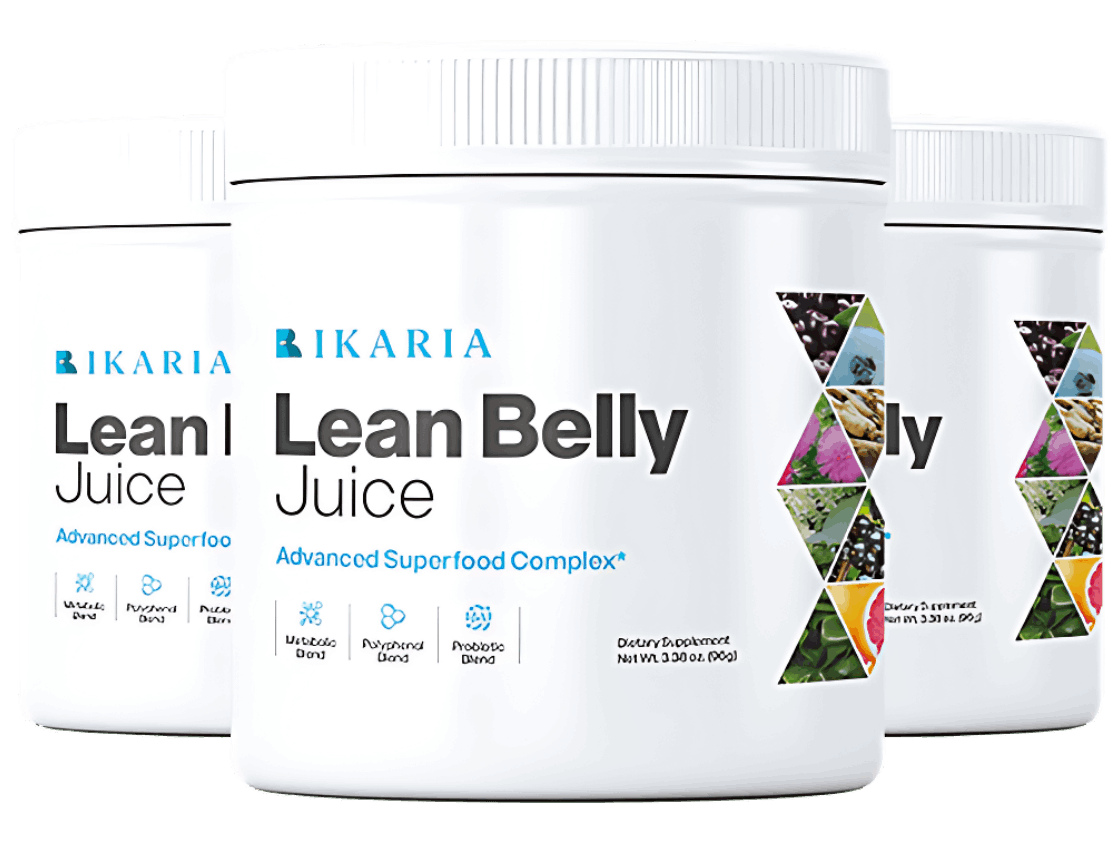
Ikaria Juice
Ikaria Juice approaches weight-management wellness through botanical antioxidants, citrus pectin and an inulin-and-probiotic digestive blend. Prebiotic inulin and the probiotic blend address digestive balance, while green tea and citrus pectin add distinct botanical and fiber components. While monitoring a calorie deficit estimate, inulin and beneficial bacteria can help maintain digestive regularity as portions and fiber intake change.

Metabo Drops
Metabo Drops concentrates on metabolic wellness and steady daytime energy, using chlorogenic acid, green tea, chromium and L-carnitine in a tasteless coffee additive. The coffee-mix approach aims to support metabolic efficiency and steady daytime energy, with L-theanine helping balance alertness. For readers calculating or tracking a calorie deficit estimate, chromium and coffee-derived polyphenols offer a metabolism-oriented ingredient profile, not a change to the calculation.

Java Burn
Java Burn mixes into hot or iced coffee and contains green-tea extract, green-coffee chlorogenic acids, L-carnitine, L-theanine, chromium and B vitamins. The formula pairs a coffee-friendly metabolic blend with L-theanine for focus and B vitamins for normal energy-yielding metabolism. For readers calculating or tracking a calorie deficit estimate, chromium and coffee-derived polyphenols offer a metabolism-oriented ingredient profile, not a change to the calculation.

Nagano Tonic
Nagano Tonic is a powdered drink mix made with botanicals and nutrients including camu camu, green-tea EGCG, mangosteen, ginger and inulin. Its formula is promoted for daily metabolic, energy and digestive support; it is not a substitute for balanced nutrition or medical care. When comparing options alongside calorie deficit calculator, review the ingredient label and seller terms before ordering.
Frequently Asked Questions
Consider a smaller deficit, distribute protein and fiber across meals, reduce liquid calories, and protect sleep. Persistent or extreme hunger is a reason to reassess the plan rather than simply relying on willpower.
Yes. Some people vary intake across the week while keeping a similar weekly average. Avoid very low days that impair nutrition or trigger rebound eating.
Recalculate after a substantial weight change, a major change in work or exercise, or when several weeks of reliable data show that the original estimate no longer matches results.